


Video feedback is essential for marketing agencies, in-house teams, video editors, and social media managers today. Instead of scattered emails and vague comments, teams now expect something better. They want a faster, more visual way to review videos and collaborate on changes.
However, most teams still rely on tools that were never designed for video reviews. That gap creates confusion, slows approvals, and frustrates clients who just want to leave a quick note.
This guide explains what video feedback is and how to make this step as efficient as possible. It also covers how the right process, paired with the right tool, can make reviews faster for everyone involved.
What Is Video Feedback?
Video feedback means reviewing a video and leaving comments, suggestions, or approval requests at specific moments. It can include corrections, notes, or a final approval. Unlike written feedback on a document, video feedback usually includes a timestamp for a better understanding.
That's because the reviewer needs to point to an exact moment, instead of describing a general section. In practice, video feedback can come from many places. A client might approve an ad. A stakeholder might request a change to a demo, or a teammate might flag an audio issue in a tutorial.
Marketing teams, agencies, video editors, social media managers, designers, and developers all rely on video feedback at some point. Whenever more than one person reviews a video before it ships, they already exchange some feedback.
General feedback often works fine for static content, like a blog post or an image. Video feedback, though, needs more precision. A comment like "fix the intro" means very little without a timestamp and deep explanation. It also needs a clear description of what should change instead.
Why Is Video Feedback Important for Creative Teams?
In short, video feedback matters because it keeps every review tied to a specific moment. That's far more useful than a vague impression of the whole video.
For agencies, video feedback often determines how quickly a campaign, video course, or product launch actually ships. When feedback is unclear, revisions pile up and deadlines slip. That's why more teams now treat video feedback as a formal part of their approval workflow, not an afterthought.
Marketing agencies use video feedback to manage client approvals across several campaigns at once. In-house marketing teams use it to keep social content and product videos aligned with brand guidelines.
Video editors rely on video feedback to know exactly what to cut, trim, or re-record.
Social media managers use it to gather quick reactions before a post goes live.
Meanwhile, designers and developers use video feedback when reviewing product demos, onboarding videos, or UI walkthroughs.
Recent video marketing research shows that most businesses now use video, that's a core part of their marketing strategy. As video production increases, so does the volume of video feedback every team needs to manage.
Why Video Feedback Gets Messy Without the Right Process
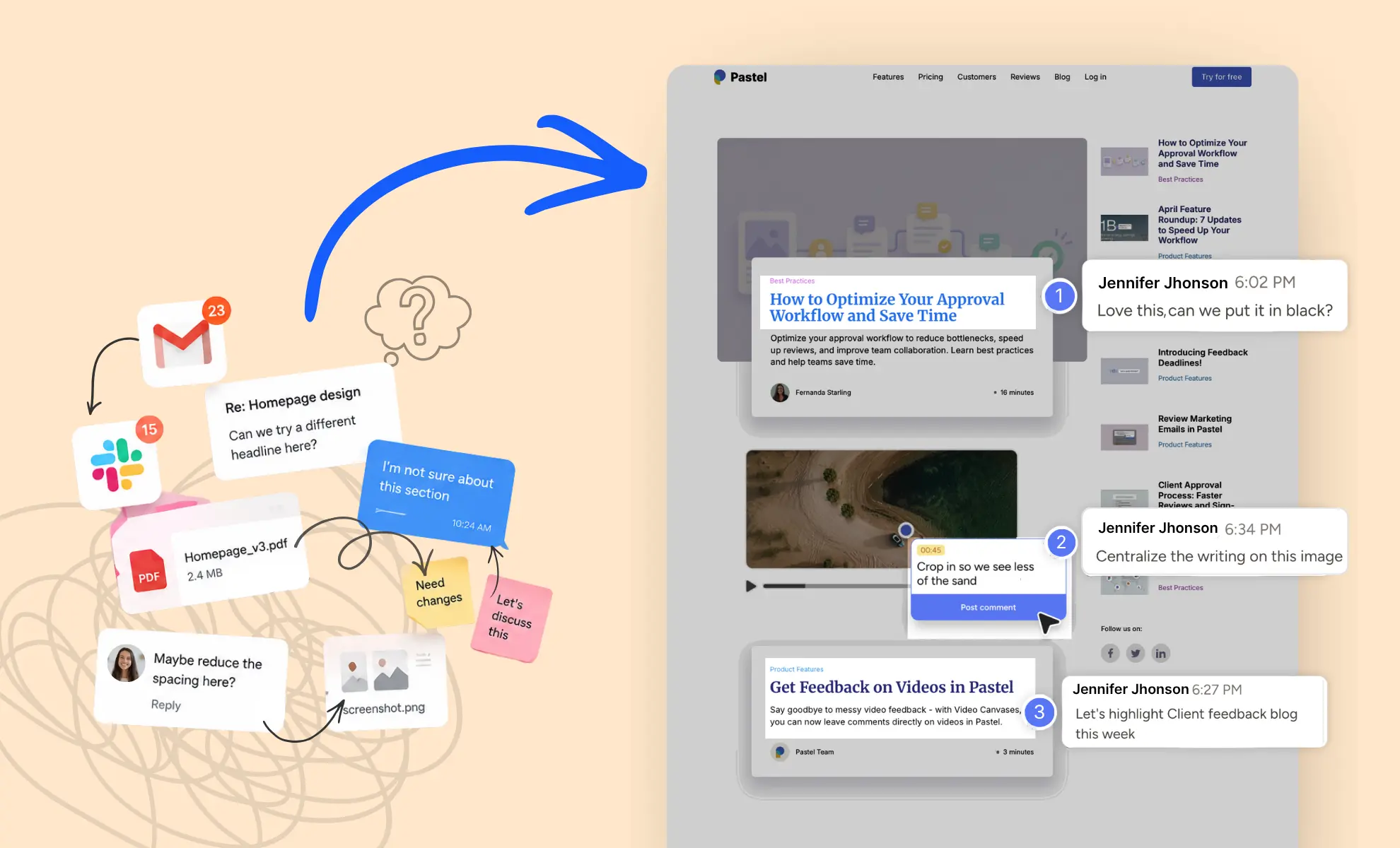
If you have ever tried gathering video feedback the traditional way, you already know the struggle. Instead of clear notes, teams end up with long email threads. Slack messages pile up without any connection to the video timeline. Meanwhile, several versions of the same file float around with unclear edits.
All this leads to miscommunication, duplicate work, and wasted time. Without timestamps, a comment like "the part near the middle" forces editors to guess what a reviewer means. As a result, revisions take longer. Small misunderstandings quickly turn into extra rounds of review.
Especially for agencies, disorganized video feedback often makes clients feel completely left out of the process. Keeping clients in the loop becomes much harder when feedback lives in five different places instead of one. For teams handling several projects at once, this kind of chaos adds up fast. It quietly becomes one of the biggest hidden costs of creative work.
What Makes a Good Video Feedback Tool?
A good video feedback tool should solve the problems described above, without introducing new ones. At a minimum, it needs to support timestamped comments. That way, reviewers can point to an exact moment instead of describing it in words.
It should remove unnecessary friction from the review process. Instead of creating an account, clients simply need to enter their name and email before leaving feedback. Beyond that, a solid video feedback software should track status. Everyone should see what the team reviewed, what remains pending, and what the team has already shipped.
Finally, it should fit into the same workflow a team already uses for other assets. That includes websites, images, and PDFs, instead of living as a separate tool on its own. To see the full list of tools built for this kind of work, you can explore Pastel's features page.
How Pastel Makes Video Feedback Simple for Teams and Clients
At Pastel, the goal has always been to make feedback simple, visual, and collaborative.
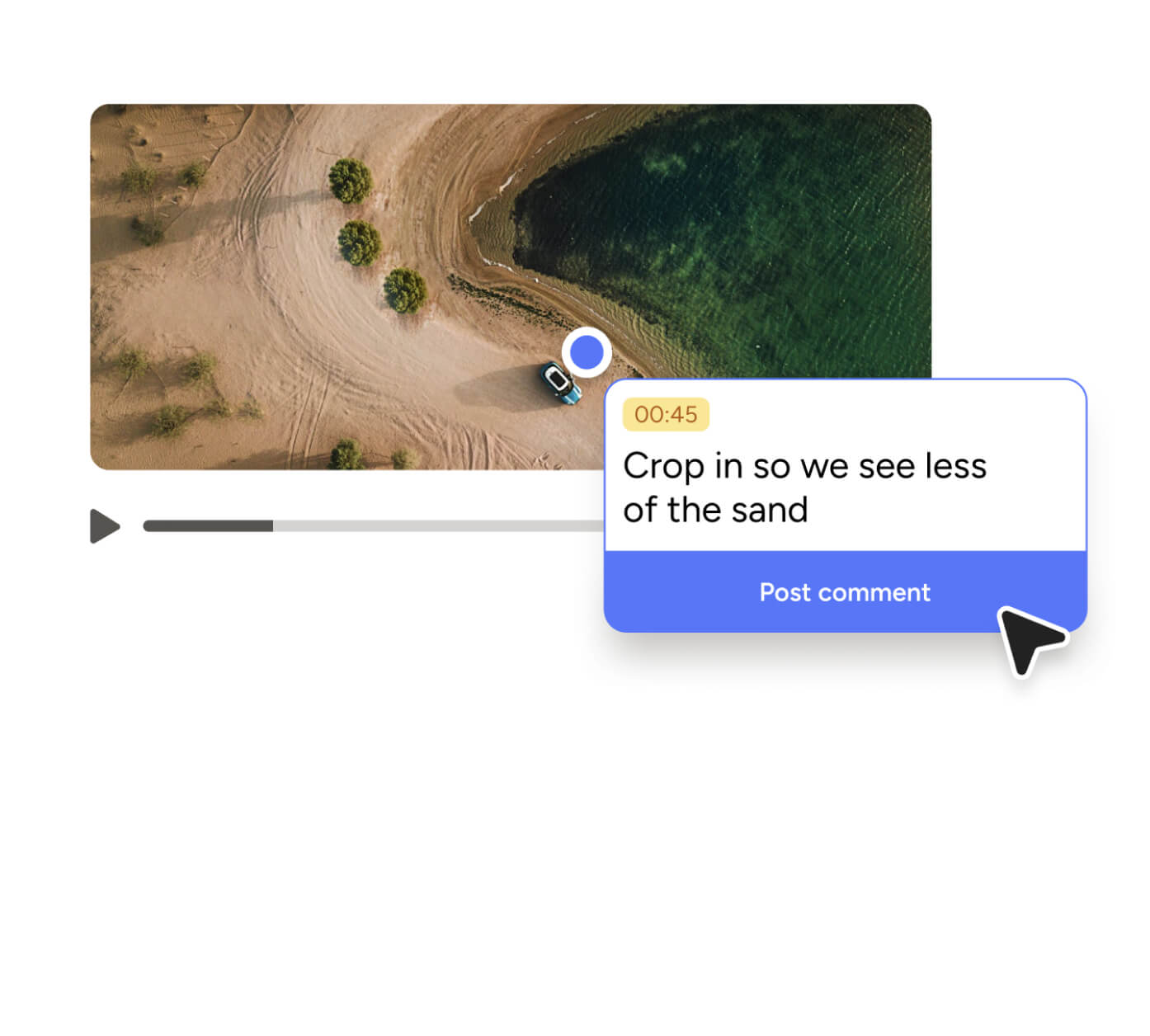
With the Pastel Feedback Tool, teams can leave comments directly on the video itself. You don’t need to switch between tools or guess at timestamps. Whether it’s a marketing video, product demo, ad, or tutorial, you can collect feedback easily. It's as easy as clicking anywhere on the video and leaving a digital sticky note.
Giving better video feedback, though, is not only about the tool, it's also about how a team uses it. The features below pair naturally with a few simple habits. Together, they make every round of review faster and clearer for everyone involved.
Precise, Timestamped Comments
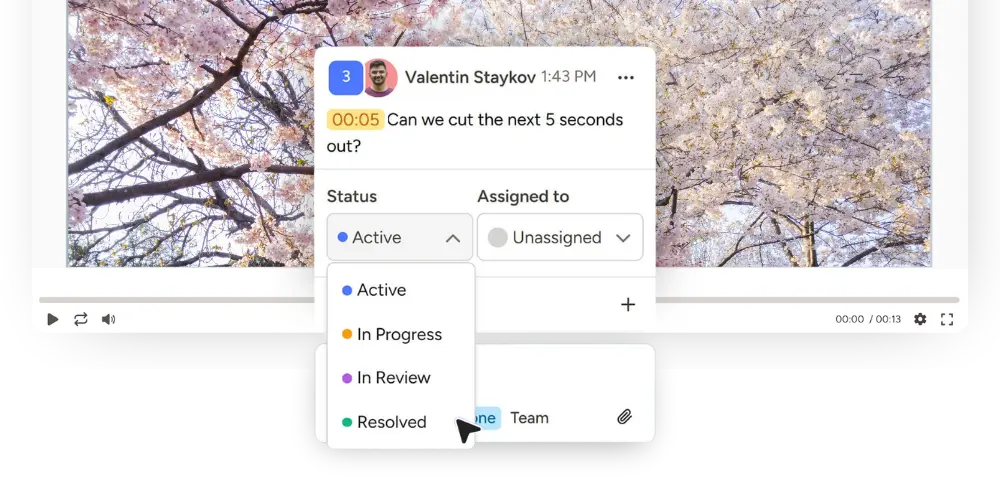
One of the biggest challenges in video reviews is identifying where feedback applies. Pastel automatically creates a timestamp every time someone leaves a comment on a video.
Comments in Pastel are tied to the exact moment they refer to in the video. There's no more guessing what "the part near the middle" means. Every comment already points to the right second.
This creates a faster review cycle because each piece of feedback connects directly to the creative work.

Be Specific About Requested Changes
Even the best video feedback tool can't replace clear communication. Although precise timestamps help, vague feedback still leaves editors guessing.
For example, instead of writing "fix this," try something more specific. A better comment might read "shorten this pause by two seconds so the transition feels smoother." Comments like this save editors an extra round of back and forth.

One Feedback Tool for Every Asset Type
Creative teams rarely review only videos. That's why it helps to review every asset using the same interface instead of switching between different tools.
A typical project might include a landing page, a promotional email, and social media graphics. It may also include a presentation deck, PDFs for stakeholders, and a launch video. If your team reviews each asset in a different tool, feedback quickly fragments and becomes difficult to manage.

No Login Required for Clients
Clients don't need an account to leave video feedback. A single shared link is enough. From there, they can click and comment directly on the video. This removes one of the biggest points of friction in any client review process.
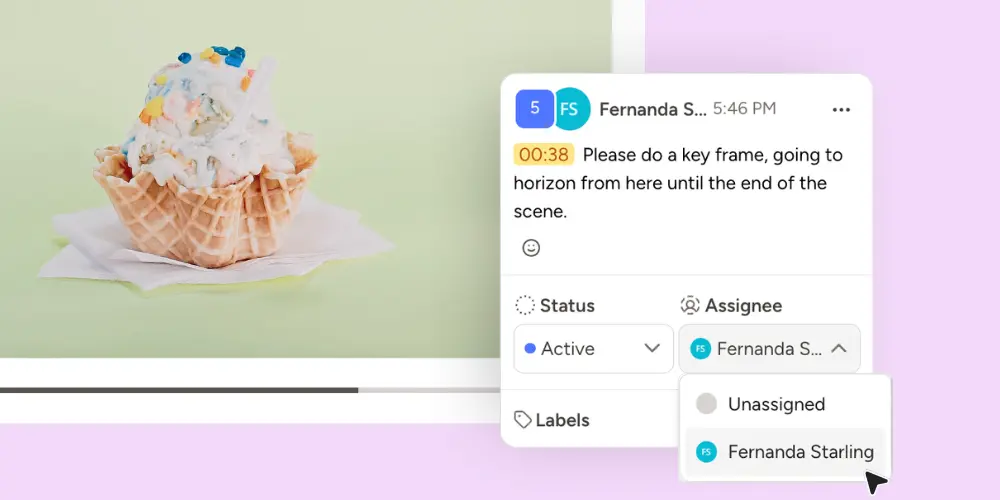
Assign Responsibility for Each Comment
Once feedback is in, assigning each comment to the right person keeps ownership clear. Instead of a general note floating in a thread, every task gets an owner. It also gets a clear next step.
Statuses, Threads, and Private Replies
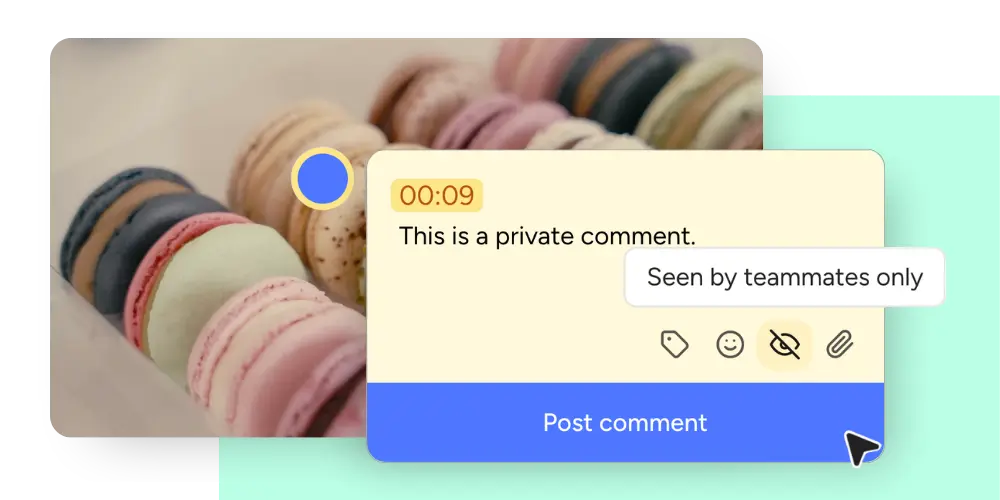
Teams can change statuses, reply to threads, and filter comments just like they do with other canvases. For teams that need more control of stakeholder communication, private replies keep internal talks separate from client-facing feedback.
Track Which Edits Are Complete
As comments move from open to resolved, everyone can see which edits the team already handled. They can also see which ones still need attention. That visibility removes the need to ask "did you see my last comment?" in yet another email.
Pastel video canvases are available on every plan. That means any team, regardless of size, can start collecting better video feedback right away.
If your team is still managing video feedback through email and Slack, it might be time for a change. Try Pastel for free and see how much faster reviews can be. No credit card needed for sign up.
Video Feedback Best Practices for Agencies and Marketing Teams
Even with the best annotation tool, a few habits make video feedback even more effective for agencies and marketing teams.
Review Marketing Videos Faster
With a dedicated video feedback software, teams no longer need to build a separate document. There's no need to send it over email or messages either.
Reviewers comment on the video, they click the exact moment they want to discuss. Then they leave their comments exactly where they belong. That's it. Also, editors immediately understand where the requested change belongs without comparing screenshots or reading lengthy email threads.
Simplify Client Approval Rounds
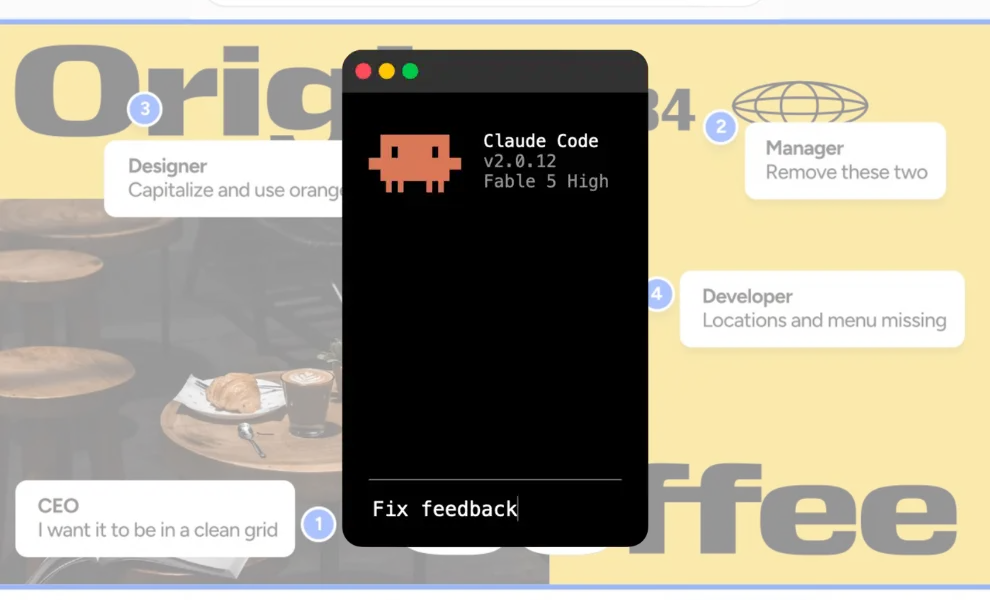
Clients can annotate every point directly on the same Pastel canvas. The platform automatically creates a timestamp for each comment. From there, the team can assign the task inside Pastel, export it to project management tools like Asana, Trello, or ClickUp, or both.

Keep Designers, Editors, and Clients on the Same Page
Since everything lives in one place, clients can see the current status of the work. They can also see exactly what the team focuses on. The team can see every timestamped comment too, so the editors never receive the same request twice. All comments stay concentrated in a single canvas, instead of scattered across different platforms.
Reduce Revision Cycles
When every note lives on the same page, fewer requests get forgotten. That naturally leads to fewer revision cycles. Because a task is created automatically from each comment, the management side is already done. It stays ready to go.
Common Video Feedback Mistakes
Even with the best intentions, a few common mistakes still slow video feedback down. These mistakes create unnecessary revisions, slow down approvals, and frustrate both clients and creative teams.
Giving Vague Feedback
Comments like "this feels off" rarely help an editor. A clearer note, tied to a timestamp, gives the team something they can actually act on.
For example, instead of saying: "The intro isn't working."
Try: "The first five seconds feel slow. Consider starting with the product shot before the logo animation to grab attention faster."
Specific feedback reduces guesswork and usually leads to fewer revision rounds.
Sending Multiple Email Threads
Splitting video feedback across several email chains makes it nearly impossible to track. Nobody can tell what people have already addressed. Keeping every discussion inside one feedback tool eliminates this confusion and gives everyone access to the same information.
Forgetting Timestamps
Without a timestamp, a comment about "the middle section" forces the editor to guess. That guesswork adds unnecessary rounds of revision. Automatic timestamps remove all ambiguity by linking every comment to the exact frame where the issue appears.
Mixing Approvals with New Requests
Approving a video while also asking for new changes in the same comment creates confusion. Nobody knows whether the video has actually been approved. Review everything and approve it only after all necessary changes are done.
Losing Track of Revisions
When multiple versions of a video circulate without labels, reviewers risk leaving feedback on an outdated file entirely. With Pastel, you can check which revision you are currently working on.
In addition, tracking the status of every comment keeps editors, project managers, and clients aligned throughout the approval process.
Video Feedback Examples for Marketing and Creative Teams
To see the difference clearly, picture a typical agency collecting video feedback the old way.
A client watches a video, then sends a screenshot over email with a note like "change this part." Another stakeholder replies in a separate thread with a different opinion. A third comment shows up in Slack, with no timestamp attached at all.
Now the editor has to piece it all together. That means three different files, two email threads, and a chat message, just to understand what needs to change.
With a dedicated video feedback tool, that same review happens on a single page. The client watches the video inside Pastel and pins a comment directly on the timeline. The system creates the timestamp automatically. On top of that, every stakeholder comments on the same canvas, so the team never loses anything between tools.
Video Feedback Software vs Traditional Review Methods
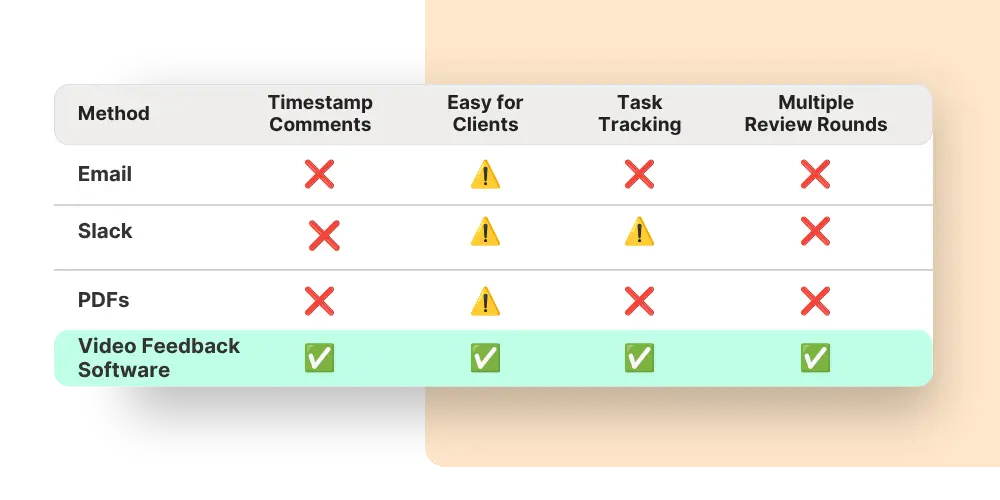
As the table shows, traditional methods can technically work. However, they were not built for video. Dedicated video feedback software closes that gap by handling timestamps, client access, and task tracking, all in one place.
When Should You Use Video Feedback Software?
Not every video requires multiple approval rounds. However, if your projects involve several reviewers or frequent revisions, a dedicated video feedback software can save significant time.
- Client Approvals - Agencies use video feedback software to collect sign-off from clients without endless email chains.
- Creative Reviews - Internal creative teams use it to gather notes from writers, designers, and art directors before a video moves forward.
- Marketing Campaigns - Campaign videos often involve several stakeholders, which makes centralized video feedback especially useful.
- Social Media - Quick, timestamped video feedback helps teams turn edits around faster.
- Product Launches - Product demos and launch videos usually need sign-off from multiple departments. That benefits from a single shared canvas.
- Internal Reviews - Even internal training or onboarding videos benefit from clear, trackable video feedback before they go live.
Final Thoughts on Video Feedback
Video feedback does not have to mean messy email threads and guesswork. With the right process, paired with the right tool, teams can turn every review into a fast, clear conversation.
That conversation ties directly to the video itself. Whether you run a marketing agency or manage an in-house creative team, one thing is true. The same goes if you edit video for a living or manage social content. A dedicated video feedback tool removes most of the friction from the review process.
You can also read The Essential Guide to Website Feedback for more ways to keep every kind of review organized. You may also like how to optimize your approval workflow for more ways to speed up approvals.
If you are ready to simplify video feedback for your team, try Pastel for free and see how much faster approvals can move.

.png)
.png)